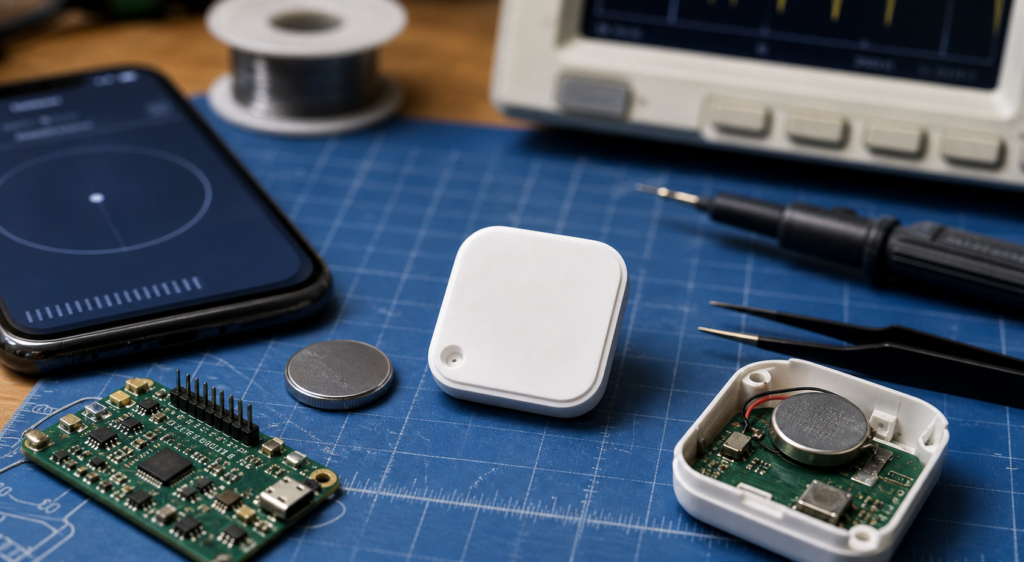
nRF54L15 Selection Notes for Tags, Sensors, and Low-Power IoT
nRF54L15 is getting more attention because low-power wireless products are asking for more than they did a generation ago. A simple beacon or sensor node is no longer the whole story. Teams now want longer battery life, better security, cleaner Matter or Thread planning, and enough headroom to support tracking, provisioning, or richer edge behavior without moving into a much larger platform.
That is why nRF54L15 keeps surfacing in current prototyping and module news. It fits a category that is growing quickly: compact wireless products that still need to feel modern two years from now, not just functional at the first demo.
What Kind of Chip Is nRF54L15?
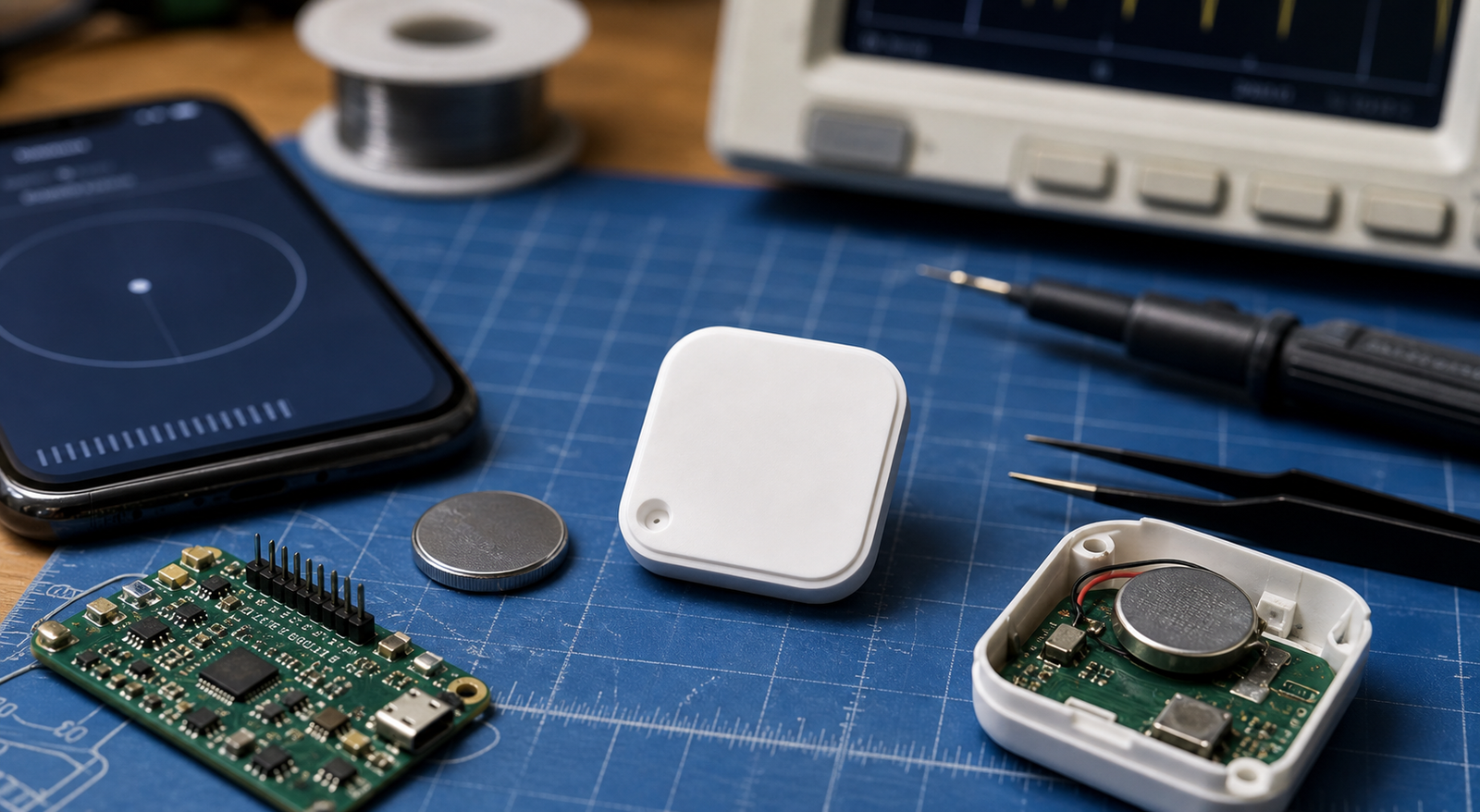
nRF54L15 is an ultra-low-power wireless SoC aimed at Bluetooth LE and broader 2.4 GHz multiprotocol product design. In practical use, it is the sort of part engineers evaluate for smart tags, battery-powered sensors, wearables, access devices, asset trackers, connected buttons, and compact control nodes.
It becomes especially relevant when a design needs low-power behavior and a credible path to Bluetooth, Matter, Thread, Zigbee, or nearby protocol expansion without forcing a complete platform change later.
Why It Is Rising Again This Week
Recent June and July 2026 product activity has pushed nRF54L15 back into active discussion, especially around tracking tags and compact wireless modules. That kind of visibility matters because it shows the chip is moving out of a purely early-adopter conversation and into more tangible product planning.
For engineering teams, the interest is not just about low power. It is also about memory headroom, modern security expectations, and the ability to build small devices that still support serious wireless features rather than bare-minimum connectivity.
Main Characteristics That Matter in Practice
nRF54L15 brings a stronger platform profile than many older low-power Bluetooth parts. It offers more room for modern wireless stacks and application logic, and it is positioned for products that want a longer roadmap instead of a short single-purpose lifecycle.
That makes it attractive for teams that care about battery life but cannot afford to give up protocol flexibility, field updates, or future application growth. In real projects, those tradeoffs matter more than a headline current figure taken out of context.
Problem: Battery-Life Assumptions Are Made Too Early
Low-power chips often get selected on marketing-level power expectations before the product behavior is fully defined. Then the real design adds sensors, LED activity, frequent advertising, longer connection windows, or extra wake cycles, and the battery target disappears.
Solution
Model the actual duty cycle before the hardware is frozen. Include sensor polling, connection intervals, pairing behavior, firmware update scenarios, alarm states, and cold-temperature battery behavior. A part like nRF54L15 can support very efficient designs, but only when the full usage profile is honest.
Problem: The Team Thinks Any Small Tracker Layout Will Work
Compact tags and sensor nodes create mechanical pressure fast. Coin cells, antennas, enclosures, buzzers, buttons, and debug access all compete for the same tiny area. That makes it easy to hurt RF behavior or manufacturing stability while chasing a smaller form factor.
Solution
Decide early which functions are mandatory in the first revision and which can wait. Protect the antenna zone, review coin-cell holder placement carefully, and keep test access practical for production. A slightly larger board that performs consistently is usually better than a tiny layout that needs repeated RF or assembly fixes.
Problem: Protocol Ambition Runs Ahead of Firmware Planning
It is common to hear that a product may eventually support Bluetooth, Matter, Thread, or a custom 2.4 GHz mode. That sounds flexible, but without firmware scoping it can become a vague promise that distorts component selection and schedule planning.
Solution
Define the launch protocol first and the roadmap second. If the first product revision is a Bluetooth tracker or sensor, build the firmware and validation plan around that. Use the broader protocol capability as a controlled expansion path, not as an excuse to leave the software architecture undefined.
Problem: Procurement Treats Every Variant as Interchangeable
Low-power wireless designs often look simple to purchasing because the BOM is physically small. In reality, package choice, memory variant, module strategy, and certification path can change the risk profile significantly.
Solution
Keep a clean approved-parts record that shows exact device variants, package assumptions, RF matching impact, and module alternatives if they exist. That prevents last-minute substitutions from turning a low-power design into a bring-up problem.
Selection Notes
nRF54L15 makes sense when the product needs compact wireless hardware with real platform headroom. It is a good fit for designs that care about battery life but also need credible support for modern connectivity and future firmware growth.
It makes less sense when the product is extremely simple, price pressure is dominant, and there is no realistic need for protocol growth or richer application behavior. In those cases, a leaner device may still be enough.
Final Take
nRF54L15 is getting traction because it matches the way low-power IoT products are changing. Small devices are expected to do more, stay secure, last longer, and leave room for future wireless features. That is exactly the kind of conversation where this SoC starts to make sense.
If you are planning a tag, wearable, or battery-powered wireless node and want to compare nRF54L15 with other options, send the application details through our contact page. We can help review the selection from design, sourcing, and lifecycle angles.
FAQ
Is nRF54L15 only for tracking tags?
No. Tracking is a strong use case, but it also fits battery-powered sensors, wearables, access devices, buttons, and compact Matter or Thread-ready products.
What usually breaks the battery-life target first?
Real usage behavior does. Advertising rate, connection timing, sensor activity, LEDs, wake frequency, and firmware update behavior usually matter more than headline low-power numbers.
What should teams validate early with nRF54L15?
Validate duty cycle assumptions, antenna placement, coin-cell or battery behavior, memory margin, and the actual launch protocol scope before committing to the final layout.