ESP32-P4 Design Notes: High-Performance MCU Choices Beyond Wi-Fi
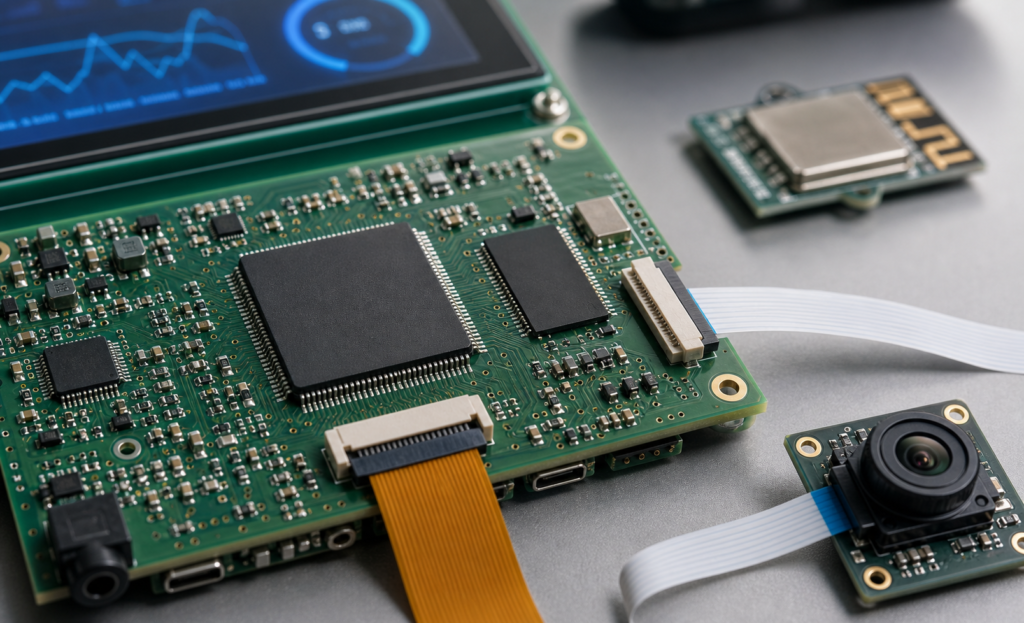
ESP32-P4 often surprises teams because it carries the ESP32 name but does not fit the simple Wi-Fi MCU box. It is more interesting as a high-performance controller for displays, cameras, and richer embedded interfaces.
A more useful way to look at it is not whether ESP32-P4 looks attractive in a short comparison table. It is whether the part fits the product, the firmware team, the supply plan, and the field conditions.
Chip Type and Typical Applications
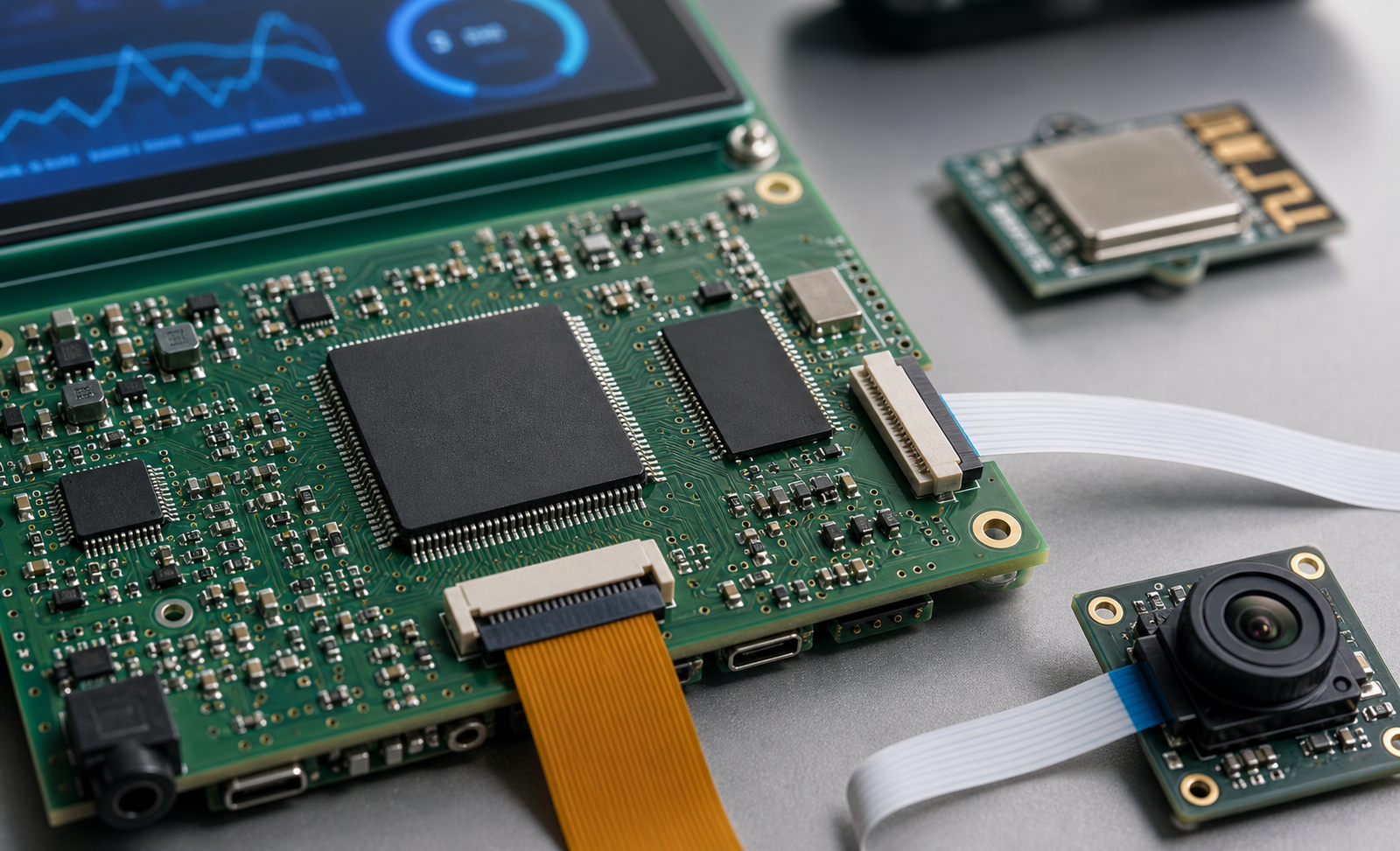
ESP32-P4 is a high-performance RISC-V MCU for multimedia and HMI-style embedded designs. It can fit smart control panels, camera-adjacent devices, gateways with a separate radio, industrial HMIs, and products that need stronger MCU performance without jumping to a full application processor.
Why This Part Is Being Discussed
The main draw is performance, interface depth, security-oriented design, and the option to pair it with a separate wireless device when the product architecture calls for it.
Problem: The team expects built-in wireless
Some designs assume every ESP32-family part includes Wi-Fi and Bluetooth, which can lead to a late architecture change.
Solution
Confirm the radio architecture at the block-diagram stage. If wireless is required, plan the companion module and host interface from the start.
Problem: Display and camera bandwidth are underestimated
Rich interfaces can push memory, bus, and timing harder than a simple MCU project.
Solution
Prototype the exact display resolution, frame rate, camera path, and memory configuration before committing to the enclosure or PCB.
Problem: Power and heat are treated like a small sensor node
A high-performance MCU running multimedia workloads needs a more careful power plan.
Solution
Measure active workload current, regulator temperature, and thermal behavior inside the real enclosure.
Engineering and Procurement Checklist
Before approving ESP32-P4, list every high-bandwidth interface: display, camera, external memory, storage, USB, and the companion wireless device if one is needed. Confirm board space for memory routing and thermal spreading, then test the real UI or camera workload. For purchasing, keep the MCU, memory, display connector, camera module, and radio module as a linked sourcing group, because changing one can affect the whole architecture.
When It Fits Best
It fits products that need richer embedded performance without moving to a full application processor. If the main requirement is simple Wi-Fi sensing, a smaller wireless MCU will usually be cleaner.
Practical Takeaway
ESP32-P4 is attractive when the product needs richer embedded performance but not a full Linux platform. It works best when the system architecture is planned honestly around interfaces, memory, and wireless separation.
If you are comparing ESP32-P4 with other options, or checking whether it fits a real project, send the part numbers and application notes through our contact page. We can look at the design and sourcing tradeoffs together.
FAQ
Is ESP32-P4 a safe choice for every design?
No. It can be a strong option, but only when the electrical, firmware, supply, and production requirements match the part.
What should be checked before approving it?
Check package, operating conditions, memory margin, peripheral needs, layout requirements, firmware support, lifecycle, and sourcing availability.
Can it be used as a quick replacement?
Sometimes, but it should not be assumed. Validate pinout, firmware behavior, electrical limits, and production programming before treating it as an approved replacement.