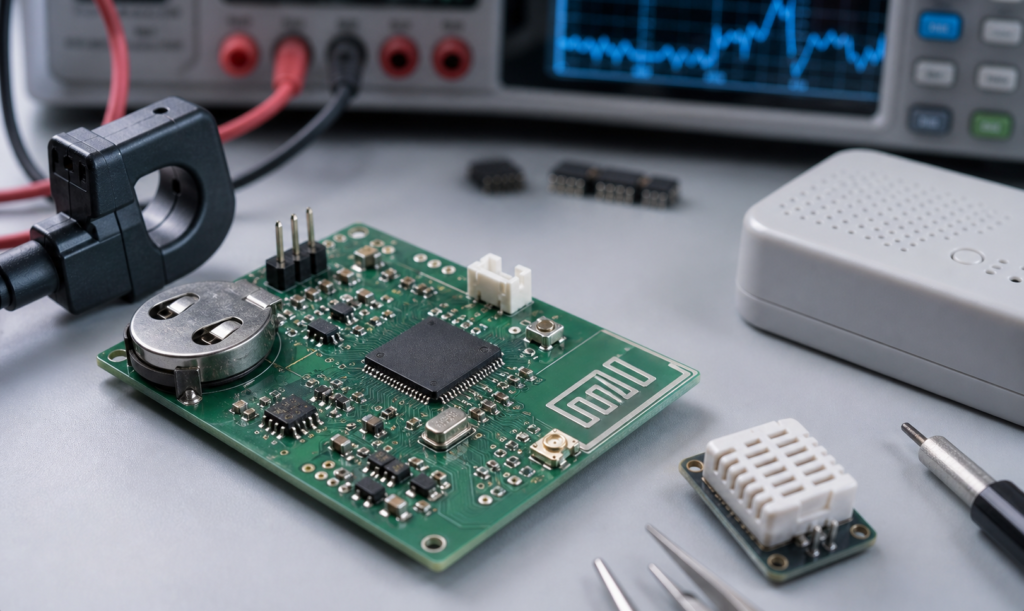
nRF54L15 Wireless SoC Selection: Planning for Low-Power Products
Low-power wireless products are where small design decisions become battery-life decisions. nRF54L15 is showing up in conversations because teams want more headroom for Bluetooth LE and multiprotocol products without wasting power.
A more useful way to look at it is not whether nRF54L15 looks attractive in a short comparison table. It is whether the part fits the product, the firmware team, the supply plan, and the field conditions.
Chip Type and Typical Applications
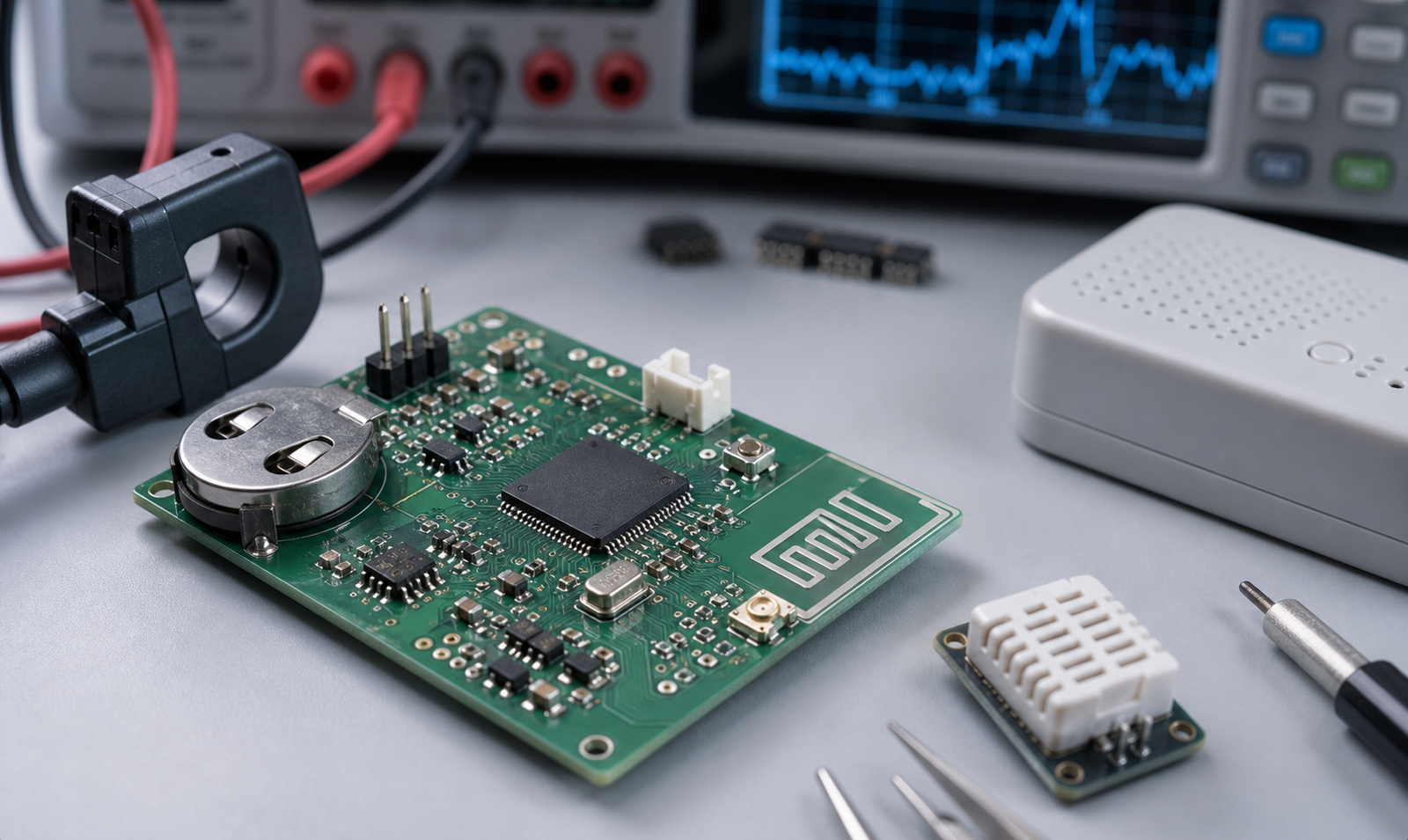
nRF54L15 is an ultra-low-power multiprotocol wireless SoC. It suits sensors, beacons, wearables, smart home nodes, connected medical accessories, and industrial monitoring devices that need long battery life and reliable wireless behavior.
Why This Part Is Being Discussed
The value sits in low-power wireless capability, modern processing resources, security direction, and compatibility planning with broader Nordic ecosystem devices.
Problem: Battery-life estimates are built from ideal numbers
Datasheet current numbers are useful, but real products wake, advertise, transmit, sense, and sleep in patterns that are rarely ideal.
Solution
Create a current budget with real duty cycles, then measure sleep, wake, radio, and sensor states separately on hardware.
Problem: RF layout is left to the end
A compact enclosure, battery, display, or metal part can change antenna behavior.
Solution
Keep the antenna environment visible in mechanical reviews and test early in the real enclosure.
Problem: Firmware maturity is assumed
Newer SoCs may require updated SDK habits, driver checks, and certification planning.
Solution
Start with the vendor-supported SDK path and freeze the wireless stack version before compliance testing.
Engineering and Procurement Checklist
Before selecting nRF54L15, create a power-state table that includes sleep, sensor sampling, advertising, connection events, transmit peaks, and firmware update behavior. Confirm antenna placement with the mechanical team and plan RF testing inside the final enclosure. Procurement should also check module versus chip-level options, because a certified module may reduce launch risk even if the bare SoC looks cheaper.
When It Fits Best
It fits battery-powered products where wireless reliability and long service life matter together. If the device is mains-powered and only needs simple connectivity, the low-power advantage may not justify a platform change.
Practical Takeaway
nRF54L15 is a serious option for products where battery life and wireless reliability matter together. The safest path is to test the power model and RF environment before the design feels finished.
If you are comparing nRF54L15 with other options, or checking whether it fits a real project, send the part numbers and application notes through our contact page. We can look at the design and sourcing tradeoffs together.
FAQ
Is nRF54L15 a safe choice for every design?
No. It can be a strong option, but only when the electrical, firmware, supply, and production requirements match the part.
What should be checked before approving it?
Check package, operating conditions, memory margin, peripheral needs, layout requirements, firmware support, lifecycle, and sourcing availability.
Can it be used as a quick replacement?
Sometimes, but it should not be assumed. Validate pinout, firmware behavior, electrical limits, and production programming before treating it as an approved replacement.