STM32N6 Edge AI MCU Selection: When an NPU on a Microcontroller Makes Sense
Edge AI is moving from demo boards into product meetings. STM32N6 is interesting because it brings neural acceleration closer to the MCU world, especially for vision and sensor intelligence.
A more useful way to look at it is not whether STM32N6 looks attractive in a short comparison table. It is whether the part fits the product, the firmware team, the supply plan, and the field conditions.
Chip Type and Typical Applications
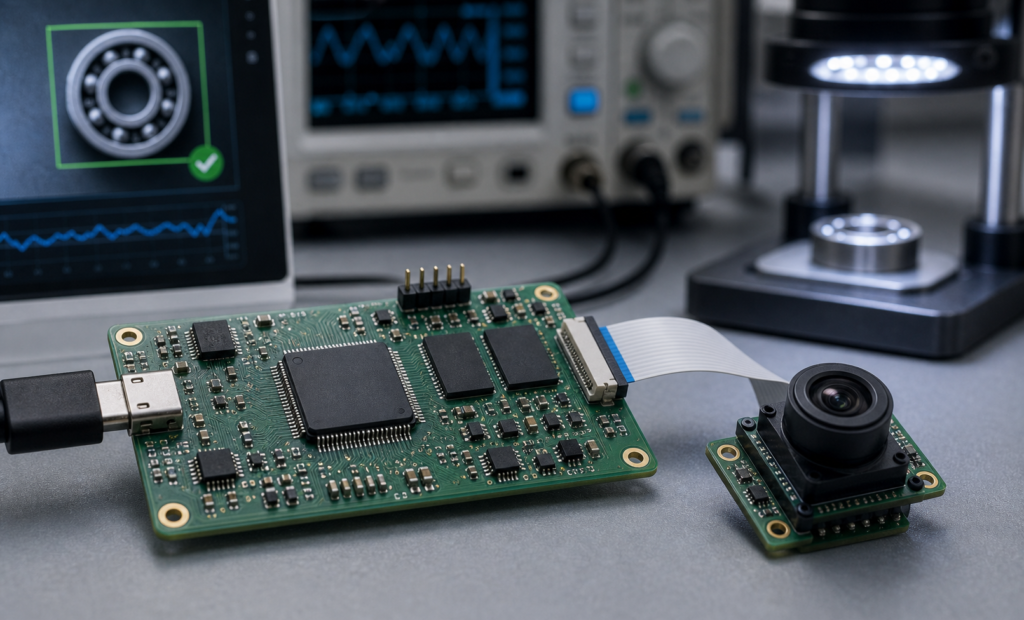
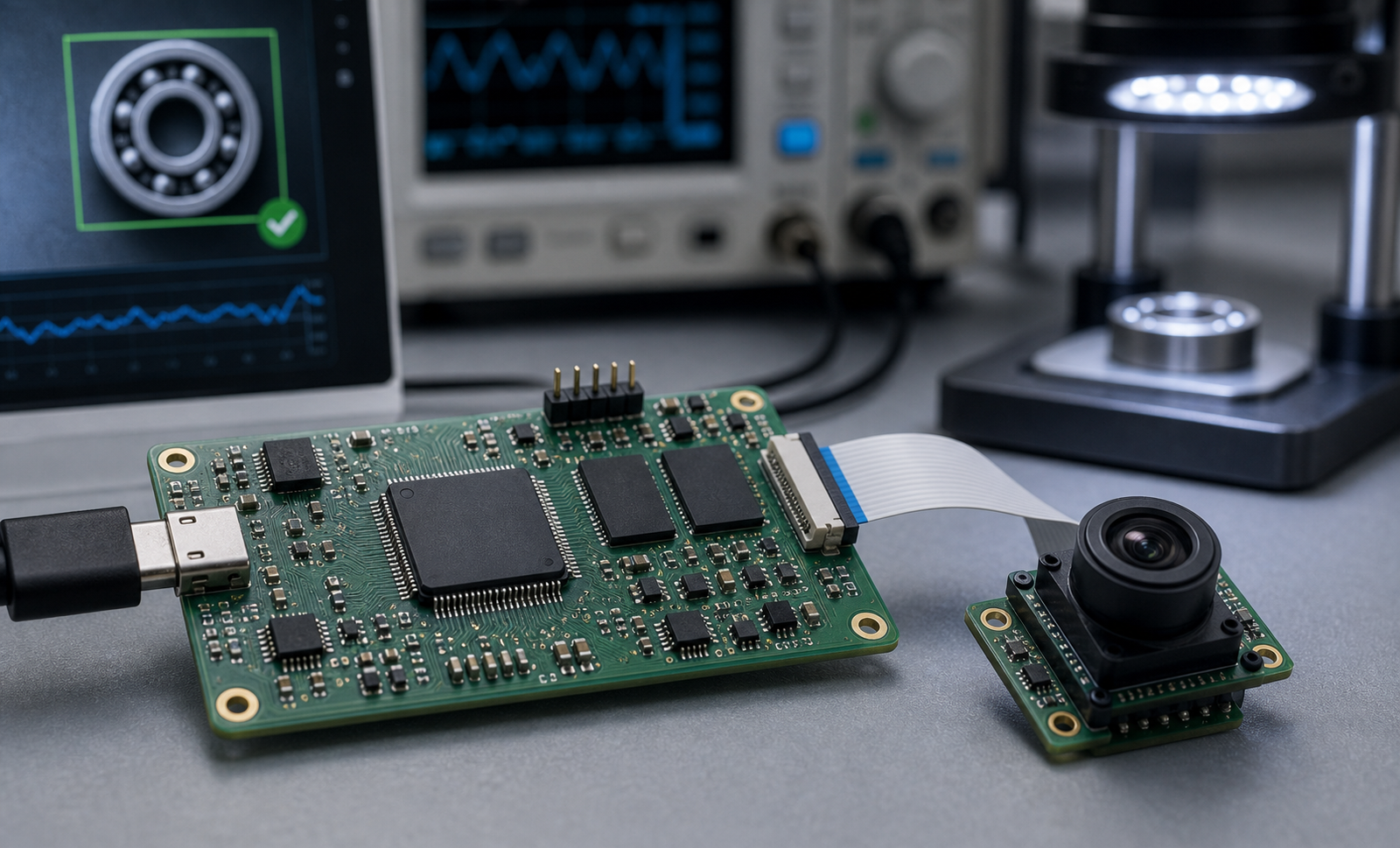
STM32N6 is a high-performance MCU with neural processing acceleration. It can fit machine-vision sensors, smart cameras, industrial inspection nodes, access devices, and products that need local inference without sending every decision to a cloud service.
Why This Part Is Being Discussed
The family is built around AI acceleration, camera and multimedia support, large on-chip memory resources, and a development path aimed at embedded inference.
Problem: The model is chosen before the hardware budget is known
A neural network that looks good on a PC may be too large or too memory-hungry for an embedded device.
Solution
Profile the model early, check memory, latency, input resolution, and quantization impact before hardware selection is final.
Problem: Camera pipeline details are ignored
Image quality, sensor interface, exposure, and preprocessing can decide whether inference works reliably.
Solution
Prototype the complete camera path, including lighting conditions and preprocessing, not just the AI model.
Problem: Teams compare it directly with application processors
An AI MCU and a Linux-capable processor solve different problems.
Solution
Use STM32N6 when deterministic control, lower system complexity, and local inference are more important than a full OS environment.
Engineering and Procurement Checklist
Before choosing STM32N6, test the actual model or a close representative model with the planned input resolution, frame rate, memory budget, and latency target. Check camera sensor availability, lens and lighting conditions, external memory, and thermal behavior. Procurement should treat the sensor, MCU, memory, and production calibration method as one sourcing package, because changing the image path can change inference quality.
When It Fits Best
It fits local vision and sensor intelligence where deterministic embedded control is still important. If the product needs a rich OS, heavy UI, or cloud-style application stack, an application processor may be a better fit.
Practical Takeaway
STM32N6 makes sense when edge AI is part of the embedded control problem, not a separate computer bolted on later. The winning design is the one where model, sensor, memory, and power are selected together.
If you are comparing STM32N6 with other options, or checking whether it fits a real project, send the part numbers and application notes through our contact page. We can look at the design and sourcing tradeoffs together.
FAQ
Is STM32N6 a safe choice for every design?
No. It can be a strong option, but only when the electrical, firmware, supply, and production requirements match the part.
What should be checked before approving it?
Check package, operating conditions, memory margin, peripheral needs, layout requirements, firmware support, lifecycle, and sourcing availability.
Can it be used as a quick replacement?
Sometimes, but it should not be assumed. Validate pinout, firmware behavior, electrical limits, and production programming before treating it as an approved replacement.