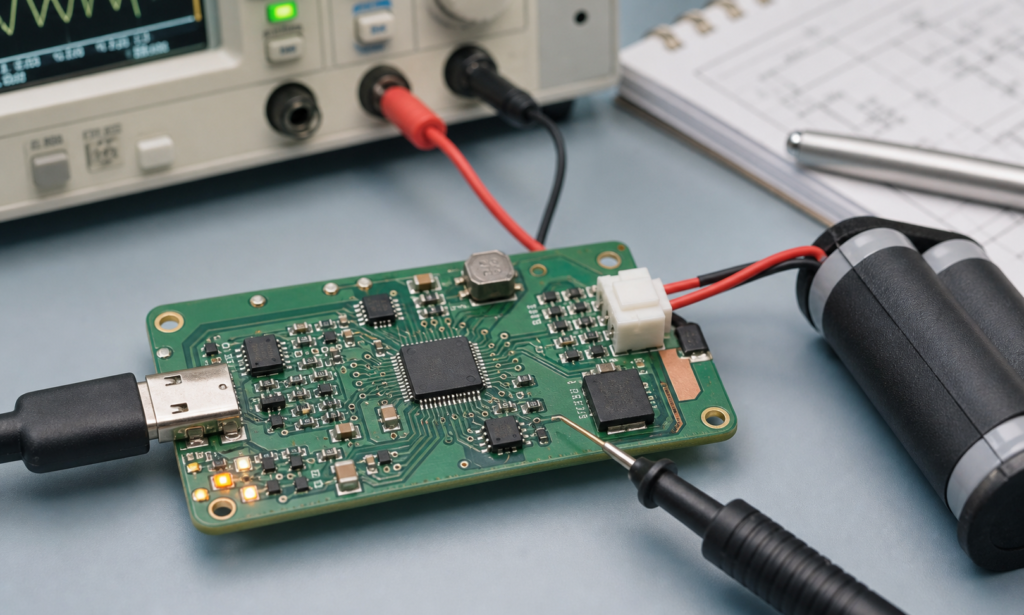
BQ25792 Charger IC Selection: Practical Issues in 1-4 Cell Battery Designs
Battery charger ICs look straightforward until the product has to handle real adapters, warm enclosures, aging cells, and customer behavior. BQ25792 is interesting because it covers a flexible 1-4 cell charging space with a buck-boost architecture.
A more useful way to look at it is not whether BQ25792 looks attractive in a short comparison table. It is whether the part fits the product, the firmware team, the supply plan, and the field conditions.
Chip Type and Typical Applications
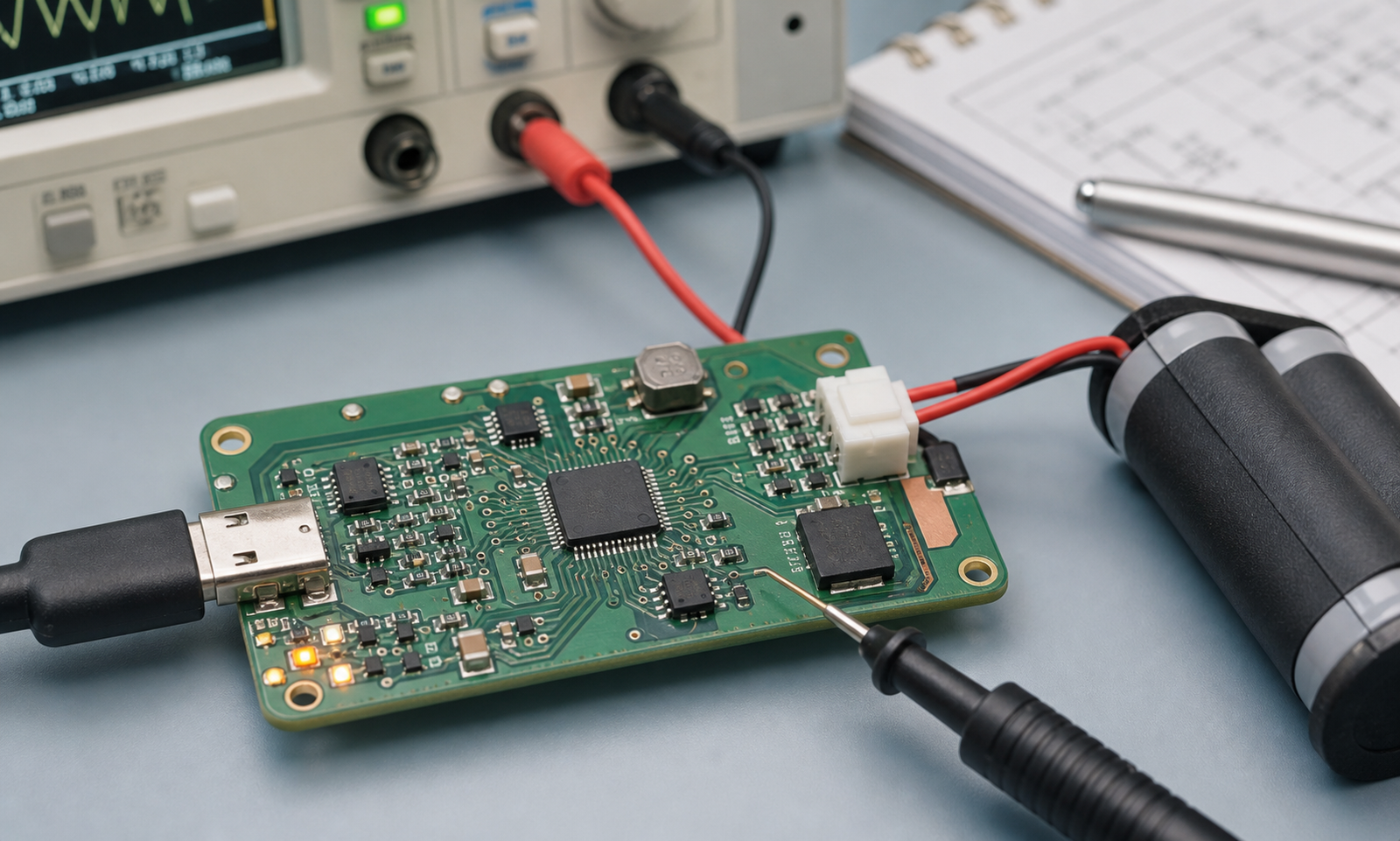
BQ25792 is an I2C-controlled buck-boost battery charger for 1-4 cell Li-ion and Li-polymer packs. It fits portable instruments, industrial handhelds, battery-backed gateways, USB-C powered equipment, robotics accessories, and rechargeable products that need a flexible charging path.
Why This Part Is Being Discussed
The useful points are buck-boost charging, I2C control, multi-cell support, and power-path flexibility for designs that may see different input conditions.
Problem: Thermal behavior is checked too late
Charging current, adapter voltage, battery voltage, and enclosure temperature can combine into a hot design.
Solution
Run thermal tests across low battery, high input voltage, maximum charge current, and closed-enclosure conditions.
Problem: Firmware does not manage faults clearly
A charger with I2C control gives useful status, but only if the host firmware handles it properly.
Solution
Define fault handling for input limits, battery temperature, charge timeout, watchdog, and user-visible error states.
Problem: USB-C expectations are vague
Teams may assume USB-C input automatically means every adapter behavior is covered.
Solution
Pair the charger plan with a clear USB-C/PD controller strategy and test common adapter classes.
Engineering and Procurement Checklist
Before approving BQ25792, confirm the exact battery configuration, charge-current target, adapter input range, USB-C or PD controller plan, NTC behavior, and enclosure thermal limit. For purchasing, keep the charger IC, inductor choices, sense components, and protection devices together in the approved BOM notes. A charger change can affect safety behavior, not just cost, so replacement approval should include both electrical testing and firmware fault handling.
When It Fits Best
This part is a better fit when the product needs charging flexibility and host-side control. If the design is a very simple single-cell product with fixed input conditions, a simpler charger may be easier to validate.
Practical Takeaway
BQ25792 is a flexible charger IC, but the design should be treated as a system: power source, battery pack, firmware, thermal path, and user behavior all need to line up.
If you are comparing BQ25792 with other options, or checking whether it fits a real project, send the part numbers and application notes through our contact page. We can look at the design and sourcing tradeoffs together.
FAQ
Is BQ25792 a safe choice for every design?
No. It can be a strong option, but only when the electrical, firmware, supply, and production requirements match the part.
What should be checked before approving it?
Check package, operating conditions, memory margin, peripheral needs, layout requirements, firmware support, lifecycle, and sourcing availability.
Can it be used as a quick replacement?
Sometimes, but it should not be assumed. Validate pinout, firmware behavior, electrical limits, and production programming before treating it as an approved replacement.