GD32F303 as an MCU Option: Practical Checks Before Using It as an Alternative
When supply pressure hits a mature design, alternative MCUs move from a nice idea to an urgent conversation. GD32F303 is often considered because it offers familiar Cortex-M performance and useful peripheral coverage.
A more useful way to look at it is not whether GD32F303 looks attractive in a short comparison table. It is whether the part fits the product, the firmware team, the supply plan, and the field conditions.
Chip Type and Typical Applications
GD32F303 is an Arm Cortex-M4 mainstream microcontroller. It may fit industrial controllers, motor-related boards, data acquisition modules, communication devices, and products where Cortex-M4 performance and package options are useful.
Why This Part Is Being Discussed
Its attraction is performance, ADC and peripheral resources, SDIO availability in the line, and package choices that can support several board classes.
Problem: It is treated as a guaranteed drop-in
Even similar MCU families can differ in electrical behavior, peripheral details, flash timing, and toolchain expectations.
Solution
Run a pin, clock, peripheral, boot, and programming comparison before approving it as an alternate.
Problem: Firmware libraries hide subtle differences
Code that compiles may still behave differently in timers, ADC sampling, or communication edges.
Solution
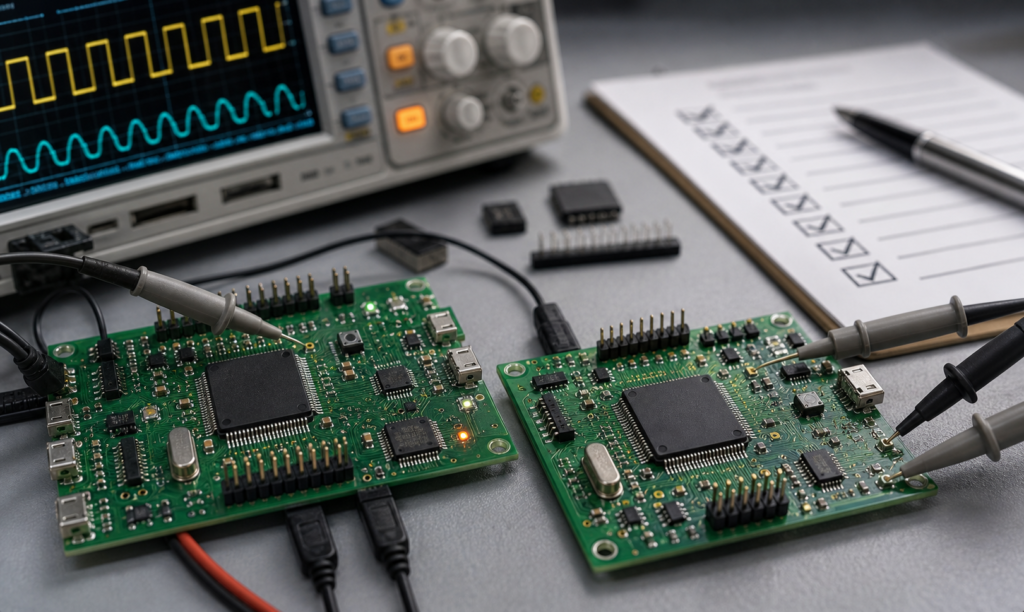
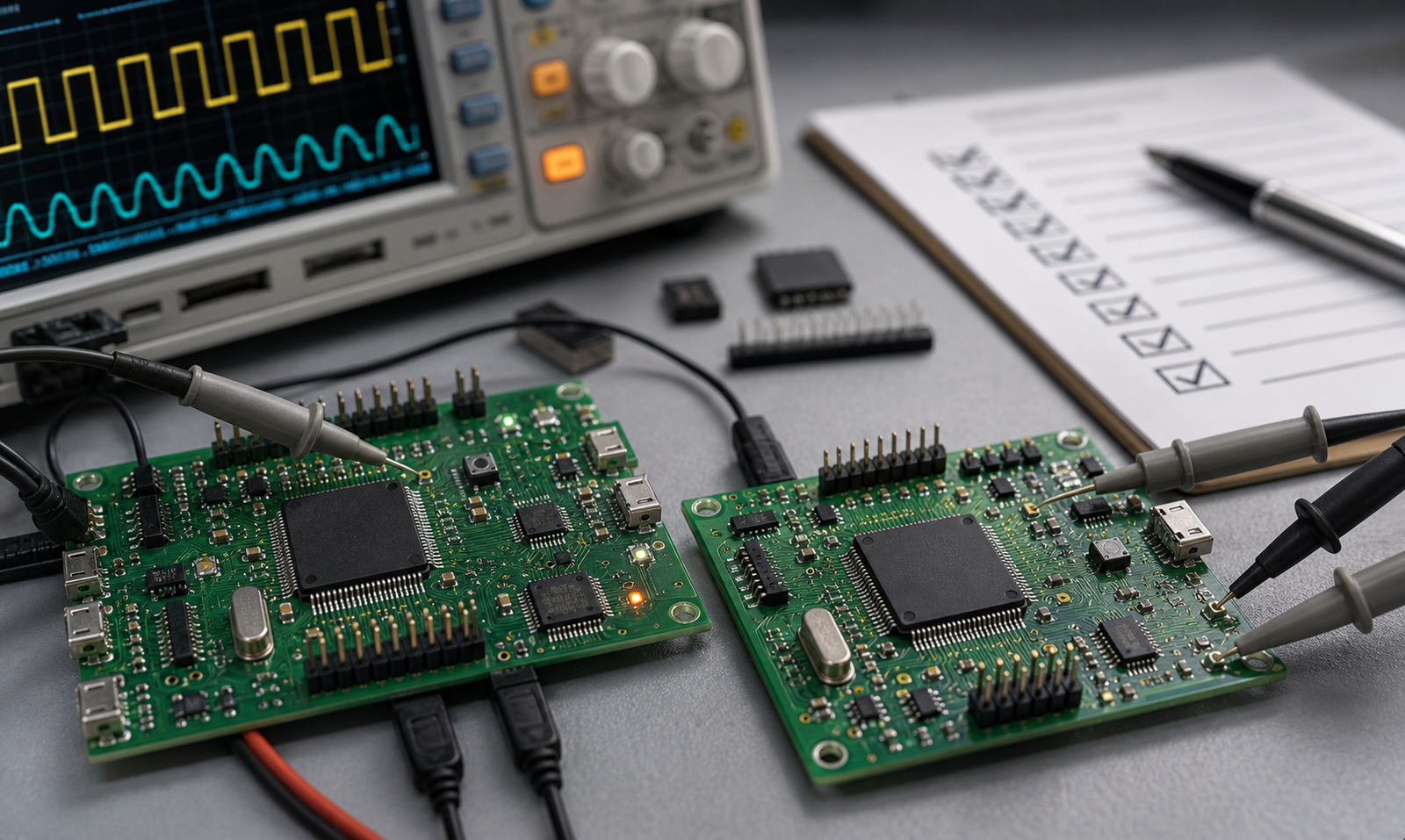
Test the most timing-sensitive firmware blocks first and compare output waveforms against the original design.
Problem: Purchasing approves a part without engineering notes
An alternate part can save a shortage situation but create field risk if approval boundaries are unclear.
Solution
Create an approved alternates sheet with exact part numbers, required firmware version, and validation status.
Engineering and Procurement Checklist
Before treating GD32F303 as an approved alternate, compare pinout, boot mode, flash programming, timer behavior, ADC timing, DMA usage, and clock configuration against the original design. Procurement should keep a written approval level for each exact part number: direct substitute, firmware change required, or PCB review required. That avoids urgent sourcing decisions turning into uncontrolled engineering changes.
When It Fits Best
It is most useful when a team needs sourcing flexibility and has time to validate firmware behavior. It is not a shortcut for skipping qualification on mature products.
Practical Takeaway
GD32F303 can be a practical option, especially when sourcing flexibility matters. It should be introduced as an engineered alternate, not as a casual replacement.
If you are comparing GD32F303 with other options, or checking whether it fits a real project, send the part numbers and application notes through our contact page. We can look at the design and sourcing tradeoffs together.
FAQ
Is GD32F303 a safe choice for every design?
No. It can be a strong option, but only when the electrical, firmware, supply, and production requirements match the part.
What should be checked before approving it?
Check package, operating conditions, memory margin, peripheral needs, layout requirements, firmware support, lifecycle, and sourcing availability.
Can it be used as a quick replacement?
Sometimes, but it should not be assumed. Validate pinout, firmware behavior, electrical limits, and production programming before treating it as an approved replacement.