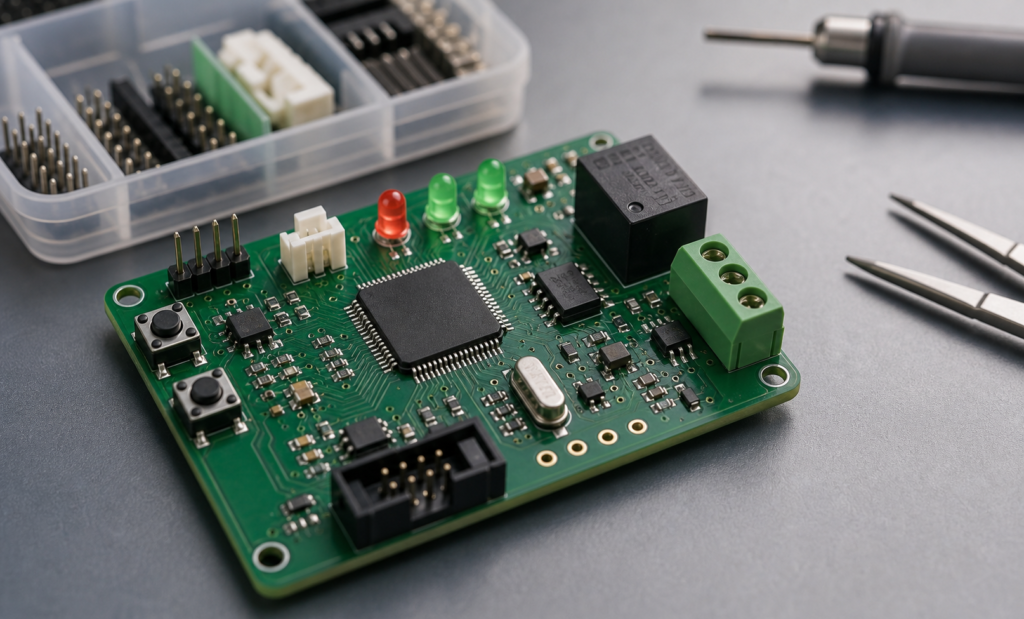
STM32C0 Selection Notes: Moving Low-Cost Designs from 8-bit to 32-bit
Many small products still live in the world of simple control loops, buttons, sensors, and LEDs. STM32C0 becomes interesting when those products need better tools and 32-bit headroom without turning into expensive boards.
A more useful way to look at it is not whether STM32C0 looks attractive in a short comparison table. It is whether the part fits the product, the firmware team, the supply plan, and the field conditions.
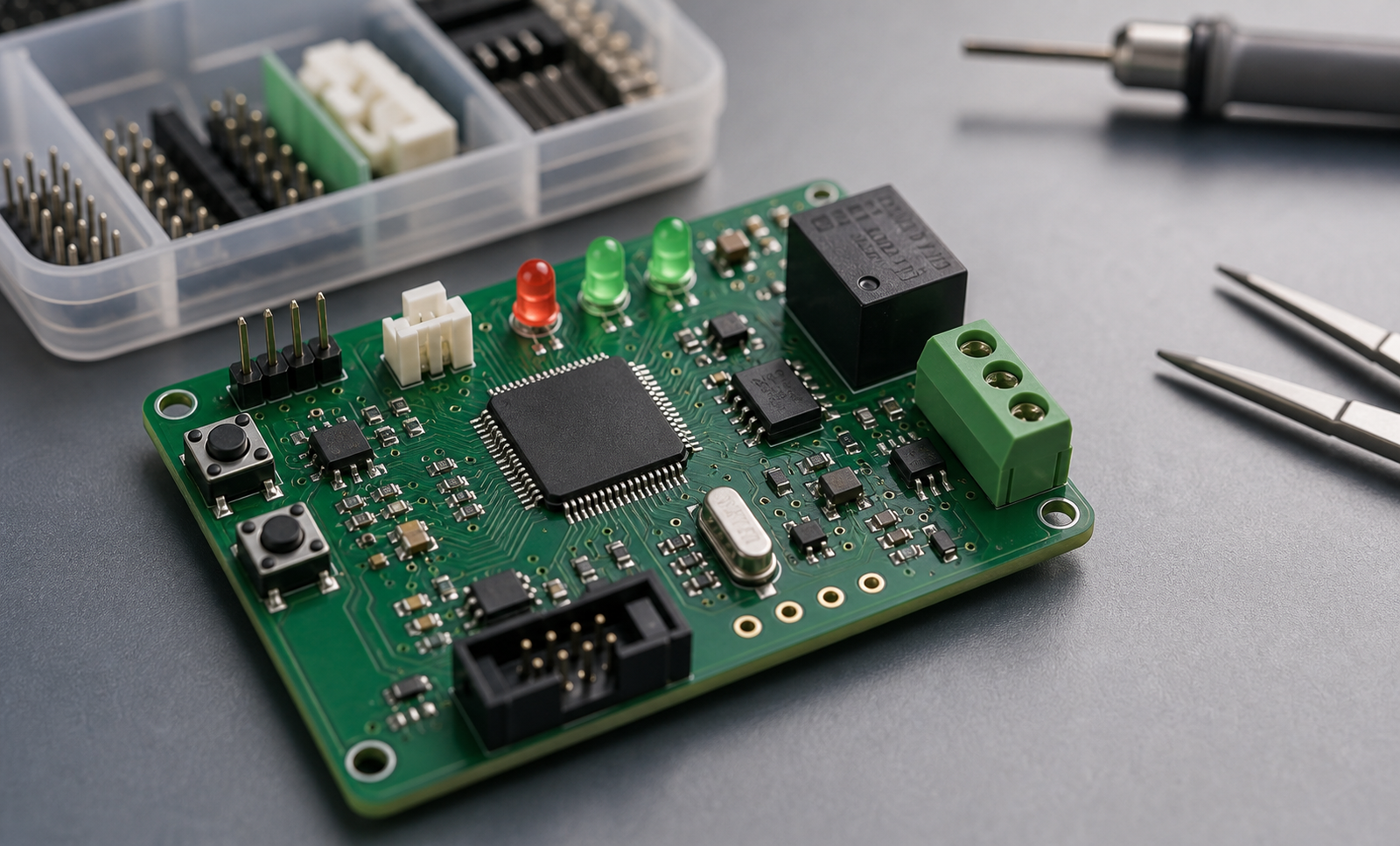
Chip Type and Typical Applications
STM32C0 is an entry-level 32-bit Arm Cortex-M0+ microcontroller. It suits appliance controls, small industrial panels, simple sensors, low-cost consumer electronics, power tools, chargers, and basic communication accessories.
Why This Part Is Being Discussed
The appeal is cost-sensitive 32-bit control, STM32 ecosystem access, practical peripheral coverage, and a migration path away from older 8-bit designs.
Problem: The team expects a large MCU experience
Entry-level devices have real limits in memory, pins, and peripherals.
Solution
Treat Flash, RAM, timers, ADC channels, and communication ports as hard constraints, not details to check later.
Problem: An 8-bit replacement ignores board behavior
Replacing an older MCU may change timing, reset behavior, programming flow, and peripheral voltage assumptions.
Solution
Build a small validation matrix around boot, watchdog, ADC readings, PWM timing, and production programming.
Problem: Firmware grows beyond the low-cost target
A simple product can become crowded once diagnostics, calibration, and communication are added.
Solution
Leave memory margin for production features and avoid selecting the smallest part too early.
Engineering and Procurement Checklist
Before approving STM32C0, confirm the exact package, Flash and RAM margin, ADC channels, timer count, communication ports, and programming method. For 8-bit replacement projects, compare reset behavior, interrupt timing, voltage levels, and production test flow. Procurement should keep alternates within the same package and memory class where possible, because moving too far down the line can create firmware pressure.
When It Fits Best
It fits simple control products that need a modern toolchain and stable peripheral coverage. If the feature list keeps growing, step up earlier rather than squeezing production firmware into the smallest device.
Practical Takeaway
STM32C0 is useful when the product really is simple but deserves a modern toolchain. The best designs keep the requirements honest and avoid forcing a small MCU to carry a large feature list.
If you are comparing STM32C0 with other options, or checking whether it fits a real project, send the part numbers and application notes through our contact page. We can look at the design and sourcing tradeoffs together.
FAQ
Is STM32C0 a safe choice for every design?
No. It can be a strong option, but only when the electrical, firmware, supply, and production requirements match the part.
What should be checked before approving it?
Check package, operating conditions, memory margin, peripheral needs, layout requirements, firmware support, lifecycle, and sourcing availability.
Can it be used as a quick replacement?
Sometimes, but it should not be assumed. Validate pinout, firmware behavior, electrical limits, and production programming before treating it as an approved replacement.