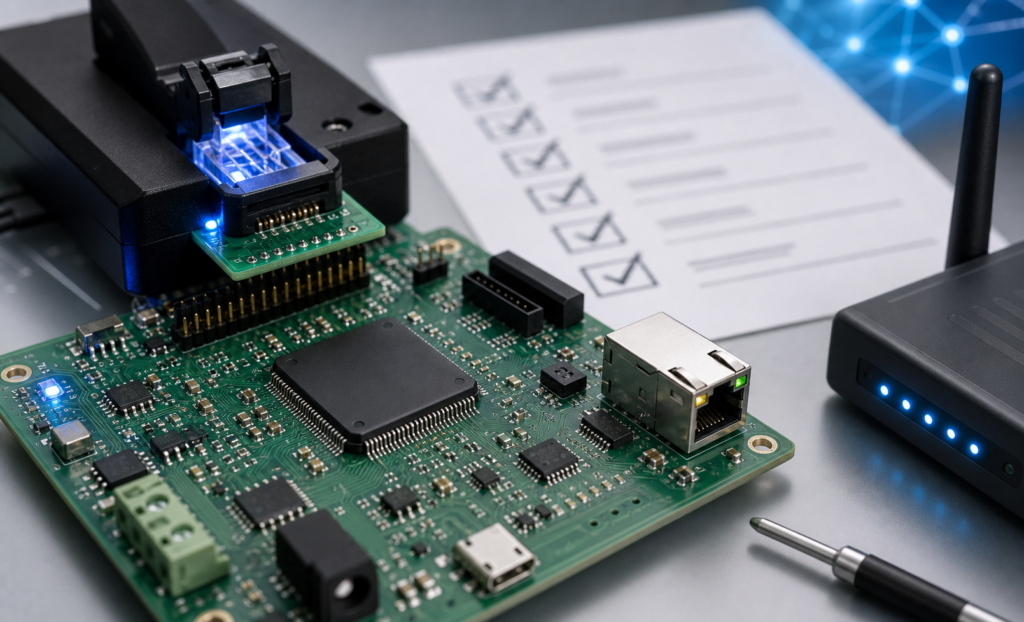
STM32H5 Secure MCU Selection: Practical Notes for Connected Products
Security is no longer a late-stage checkbox for connected products. When firmware updates, device identity, and lifecycle control are part of the product plan, STM32H5 naturally enters the MCU shortlist.
A more useful way to look at it is not whether STM32H5 looks attractive in a short comparison table. It is whether the part fits the product, the firmware team, the supply plan, and the field conditions.
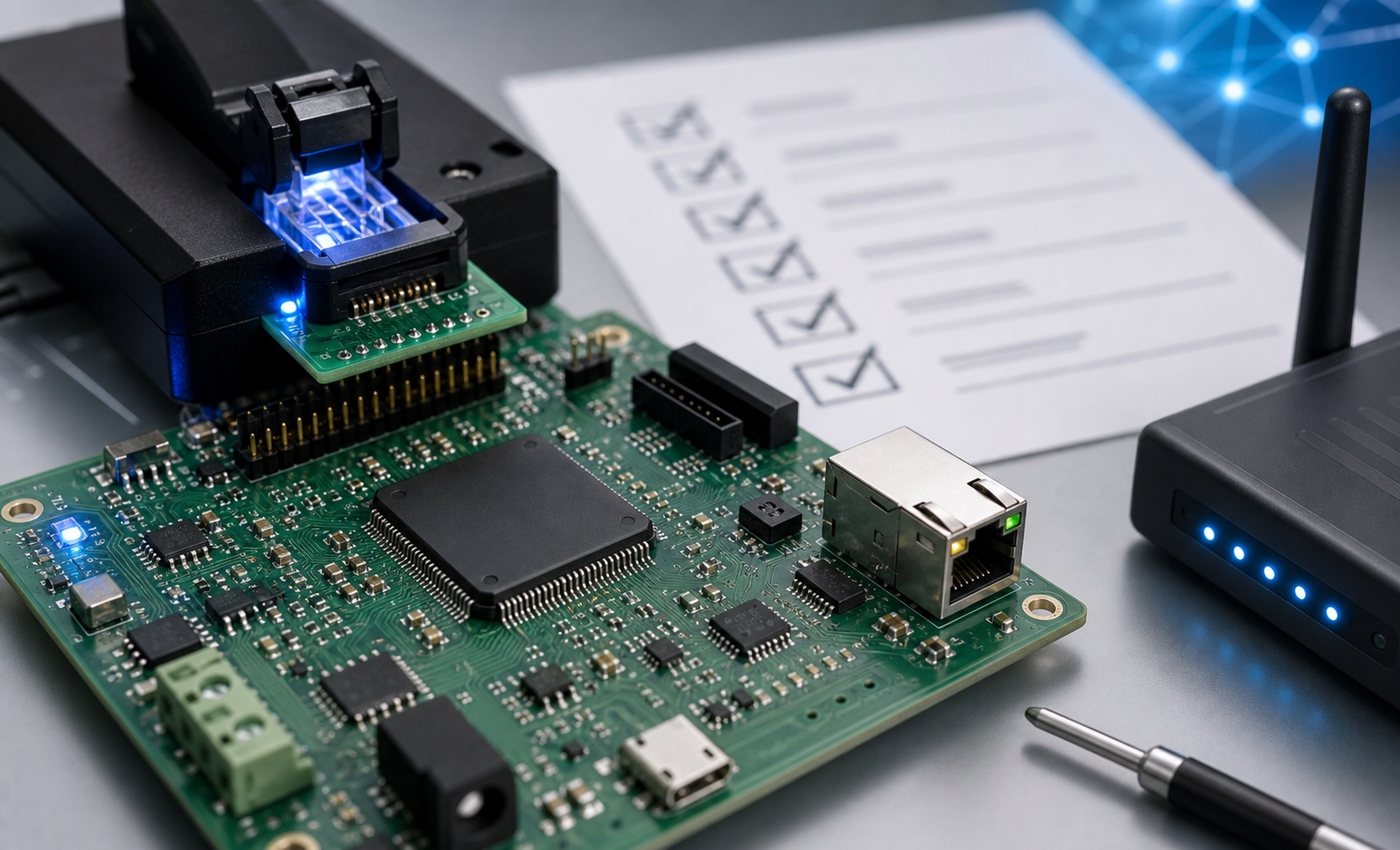
Chip Type and Typical Applications
STM32H5 is a 32-bit Arm Cortex-M33 secure microcontroller. It fits industrial IoT nodes, gateways, access devices, metering equipment, secure controllers, and products that need more structure around boot, update, and isolation.
Why This Part Is Being Discussed
The family brings modern MCU performance, TrustZone-oriented design options, hardware security features, and a broad STM32 ecosystem. The value is less about one headline number and more about giving firmware teams a cleaner security foundation.
Problem: Security is discussed after the board is nearly finished
If secure boot, key storage, or firmware authenticity are added late, the hardware and firmware plan can become awkward.
Solution
Define the trust chain during selection. Map boot flow, update flow, debug access, and production provisioning before the schematic is locked.
Problem: The part is selected only by Flash and package
A secure MCU can still be a poor fit if isolation, memory layout, crypto acceleration, and peripheral needs are not reviewed together.
Solution
Build a requirements table that includes security features, RAM margin, communication ports, package, temperature grade, and provisioning method.
Problem: Firmware teams underestimate migration work
Moving from an older STM32 family can expose driver, clock, and middleware assumptions.
Solution
Prototype the boot chain and the most timing-sensitive peripherals first, then migrate application code in layers.
Engineering and Procurement Checklist
Before selecting STM32H5, document the security lifecycle: provisioning, secure boot, debug lock policy, firmware update method, key handling, and recovery process. Engineering should prototype the boot and update chain before the main application becomes large. Procurement should keep package, memory size, and security-capable alternates visible, because a late substitution can affect certification and production programming.
When It Fits Best
It fits connected products that need long-term firmware control and security discipline. If the product is isolated, simple, and cost-only, a smaller MCU may be more appropriate.
Practical Takeaway
STM32H5 is a strong candidate when the product’s connected life matters as much as the first prototype. Used carefully, it can reduce future security and update headaches instead of adding complexity.
If you are comparing STM32H5 with other options, or checking whether it fits a real project, send the part numbers and application notes through our contact page. We can look at the design and sourcing tradeoffs together.
FAQ
Is STM32H5 a safe choice for every design?
No. It can be a strong option, but only when the electrical, firmware, supply, and production requirements match the part.
What should be checked before approving it?
Check package, operating conditions, memory margin, peripheral needs, layout requirements, firmware support, lifecycle, and sourcing availability.
Can it be used as a quick replacement?
Sometimes, but it should not be assumed. Validate pinout, firmware behavior, electrical limits, and production programming before treating it as an approved replacement.